Ranged, but not graded for all stores

Two reasons why a retailer may accept your product but not range it in every store,and what you can do about it.
You've done the hard work. You've pitched your new product to the category manager, negotiated the terms, and finally received the news every supplier wants to hear: your product has been accepted. It's a milestone worth celebrating.
But a few weeks later you’re notified that you will not be ranged in all stores. Welcome to one of the most common, and most misunderstood, situations about ranging in Australian grocery: being ranged, but not graded for all stores. Being ranged means the retailer has listed your product. Being graded determines which stores actually carry it. The gap between the two can make or break a new product, so it pays to understand why it happens and how to respond.
1. Shelf space constraints
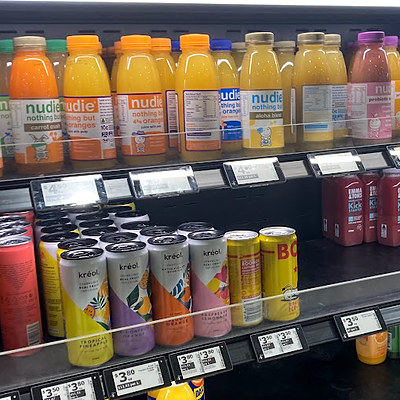
Not every store carries the full range. A large-format suburban supermarket might have several bays dedicated to a category, while a small metro or convenience-format store may have just one. Retailers manage this by building tiered planograms, with the smallest stores running a core range made up of proven best sellers.
That's where new products are most vulnerable. A new, unproven line has no sales history to justify its place, so when space is tight, it's often the first to miss out. The retailer isn't rejecting your product; it's simply prioritising lines with a track record.
What you can do: Build a compelling case fast. Strong rate-of-sale performance in the stores where you are ranged is the most persuasive argument for wider grading. If your product suits smaller formats, consider whether a different pack size could earn a place in space-constrained stores.
2. Store clusters
Retailers group their stores into clusters based on shared characteristics such as customer demographics, location, store size, and shopping behaviour. Each cluster gets a range tailored to its shoppers. An affluent inner-city store might carry more premium and organic lines, while a value-focused outer-suburban store leans towards larger packs and budget options.
If the retailer believes your product isn't aligned with a store's customer demographics, it won't be graded there. A premium product may be left out of value-oriented clusters, and a niche or culturally specific product may only be graded to stores in communities where demand is expected.
What you can do: Find out which clusters you're not graded for and why. Then challenge the assumptions with evidence. If your product is performing strongly in its graded stores, use that data to make the case for expansion into the remaining stores.
Are you ranged, but not graded for all stores?
The risk is that the problem compounds overtime. Limited distribution means lower total sales, and if your product also suffers from poor store ranging compliance, your product can find itself on the potential deletion list at the next range review. Many good products fail not because shoppers rejected them, but because shoppers never had the chance to find them.
The solution: talk to Retail Wise
Getting ranged is only the first step. Turning that listing into strong, widespread distribution takes insight, persistence, and a clear understanding of how retailers make grading decisions.
At Retail Wise, we help suppliers close the gap between being accepted and being ranged. We work with you to build a compelling case for wider distribution. We then help you take that case to the retailer, backed by evidence and the practical experience of working with Australia's major grocery, pharmacy and convenience accounts.
Whether your product is new to market or has been stuck in limited distribution for some time, we can help you unlock its full potential.
Are you ranged, but not graded for all stores? Talk to Retail Wise today.
#FMCG #Distribution #RetailExecution#RetailWise
Related Posts