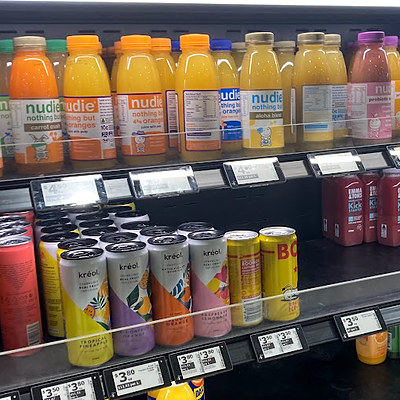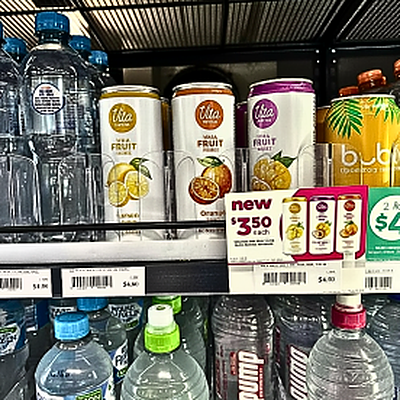
Ranged, but not on shelf

You're four weeks into a new product launch, and sales are well below expectations. The retailer accepted your product, the planogram has been issued, and your marketing activations are live. So why aren't the numbers adding up?
In our previous blog, Ranged, but not graded for all stores, we looked at two reasons a retailer may accept your product but not range it in every store: shelf space constraints and store clusters. In this follow-up, we take a closer look at planogram compliance, one of the most common and most overlooked causes of an underperforming launch. Your product is graded for the store, but it isn't actually on the shelf. Here's why it happens and what you can do about it.
Planogram compliance: the gap between plan and shelf
The planogram says you're there, but the shelf says otherwise.
Stores juggle hundreds of planogram changes across every category, often with limited staff and time. It's no surprise that things fall through the cracks. Implementation can run weeks behind schedule, shelf tickets go missing, and products may not be on display.
Worst case, your stock sits in the backroom while the gap on the shelf is filled with a competitor's product. Resulting in lost sales (and customers) to competitive offerings.
Why it matters for a new product
For an established product, a few weeks of poor compliance is a setback. For a new product, it can be fatal.
Retailers judge new lines on their rate of sale in the first few weeks of launch. Every week your product is missing from shelf drags that figure down, and the retailer's data won't tell them why. A compliance problem quickly looks like a demand problem. By the time the launch period is over, your product may be flagged as underperforming, and a potential deletion.
What you can do
Don't assume your product will be on shelf. The only way to know your product is on shelf is to check.
Regular store audits, whether through your own team or a third party, will show you where your product is missing and why. Prioritise the first four to six weeks after launch, when compliance matters most and problems are most likely.
Fix what can be fixed on the spot. That might mean replacing missing shelf tickets or getting stock out of the backroom and onto the shelf.
Then close the loop with the retailer. Share a summary of compliance issues with your category manager, including which stores were affected and what was found. This lets the retailer follow up with its stores, and it gives important context if your early sales figures come under scrutiny.
Is your product ranged, but not on shelf?
As we noted in our previous blog, the warning signs are often hiding in plain sight. Orders that fall well short of forecast, sales concentrated in a handful of states or regions, or feedback from shoppers who can't find your product in their local store all point to a grading or compliance gap.
If any of these issues sound familiar, don't wait. Talk to Retail Wise today.
#FMCG #Distribution #RetailExecution #RetailWise
Related Posts